ICOM IC-A25N Handheld NAV/COM Transceiver w/ Bluetooth – Open Box: Portable Aviation Radio
ICOM IC-A25N Handheld NAV/COM Transceiver w/ Bluetooth – Open Box: Portable Aviation Radio
Blog Article
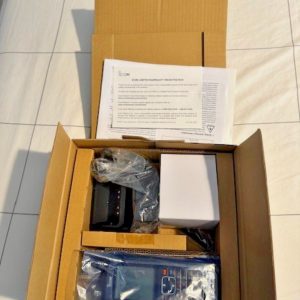
:::writingvariant="document" id="58314" ICOM IC-A25N Handheld NAV/COM Transceiver w/ Bluetooth – Open Box: Reliable NAV/COM Performance The ICOM IC-A25N Handheld NAV/COM Transceiver w/ Bluetooth – Open Box is a versatile communication and navigation device for pilots, flight instructors, aircraft operators, aviation students, and ground personnel who require dependable portable radio capability. A carefully inspected open-box package can offer the operational benefits of a premium handheld aviation radio while helping owners control equipment costs. The ICOM IC-A25N Handheld NAV is suitable for users who want portable access to communication and navigation-related functions during flight preparation, cockpit operations, instruction, emergency planning, or airport ground activities. As an ICOM IC-A25N Aviation Radio, the transceiver may be used during normal flight operations, communication training, airport monitoring, ground coordination, and emergency preparation. The ICOM IC-A25N Handheld Radio can serve private owners, instructors, students, aircraft dealers, mechanics, and airport staff who need communication away from a fixed cockpit installation. As a Handheld NAV/COM Aviation Transceiver, the unit combines portable communication with navigation-related functions in one organized device. Whether a buyer is sourcing a Handheld Aviation Radio, Aviation NAV/COM Radio, Pilot Handheld Radio, or Aircraft Communication Radio, actual operating needs should guide the selection. As an Aviation Communication Device, the radio can provide portable support for cockpit, training, emergency, and ground environments.
Why Pilots Choose the ICOM IC-A25N Handheld Radio
The radio’s portable construction allows it to support aircraft operations before departure, during flight, after landing, or while personnel are working around the airport. Pilots often select a feature-rich handheld radio because it supports communication needs without requiring permanent installation or aircraft modification. Users should understand that portable-radio coverage can differ from panel-mounted equipment connected to an external aircraft antenna. Operators should include the radio in normal equipment checks so batteries, accessories, and settings remain ready for use.ICOM IC-A25N Handheld NAV Applications
The portable design allows pilots to become familiar with radio functions outside the aircraft before using the device in a busy operational environment. Ground personnel can use an appropriate handheld radio for monitoring or coordination where local procedures and regulations allow. The handheld radio should be operated according to the manufacturer’s instructions and integrated responsibly into the pilot’s overall workflow. Organized cockpit placement improves access while protecting the radio from impact, movement, moisture, and accidental activation.Benefits of an ICOM IC-A25N Aviation Radio
Aviation professionals can carry the IC-A25N when moving between aircraft instead of depending entirely on equipment installed in one cockpit. The radio may also be useful at aviation events, remote airfields, flight schools, maintenance shops, aircraft demonstrations, and airport operations areas. Current photographs should show the radio body, display, controls, connectors, antenna, battery, charger, packaging, and included components. Testing should occur in a lawful and appropriate manner without creating unauthorized transmissions or interfering with aviation communications.ICOM IC-A25N Handheld Radio Applications
Portable operation can be valuable to users who fly several airplane types or who do not control the installed equipment available in every cockpit. Responsible storage preserves physical condition and improves the likelihood that the radio will function correctly when needed. Preparation outside the aircraft supports more confident, efficient, and less distracting use during actual operations. The radio should be removed from environments where condensation, fuel, oil, cleaning products, or maintenance debris may cause damage.Maintaining a Handheld NAV/COM Aviation Transceiver
A Handheld NAV/COM Aviation Transceiver combines portable communication and navigation-related capability within one device, making it useful for pilots who value multifunction equipment. The most suitable handheld radio is not necessarily the one with the longest feature list, but the one the pilot can operate confidently and maintain properly. The radio should be inspected before every important flight for battery charge, antenna security, control response, display condition, volume setting, and physical damage. An equipment log may be helpful for flight schools, shared aircraft, or aviation businesses where several users handle the same device.Choosing a Handheld Aviation Radio
Portable radio access can improve operational flexibility when users move frequently between aircraft and aviation environments. Pilots should avoid assuming that an unused radio stored for years will operate correctly without battery care and periodic testing. The operating manual and applicable aviation procedures should guide setup and use. Pilots must use aviation frequencies responsibly and comply with applicable licensing, authorization, frequency, and communication requirements.Aviation NAV/COM Radio Applications
The combined platform can be useful during training because students can explore aviation radio functions with one portable device. A portable radio should support cockpit management rather than add unnecessary workload. The radio’s navigation-related functions should be used within the limits described by the manufacturer and the requirements of the intended operation. Volume and squelch should be adjusted appropriately while avoiding unnecessary distraction.Pilot Handheld Radio Benefits
Flight instructors may value a handheld unit for monitoring, demonstration, backup, and coordination during ground or flight-training activities. A belt clip, protective case, organized side pocket, or approved mounting arrangement may help secure the radio during flight. Regular familiarity helps users recognize abnormal operation, weak batteries, damaged controls, or missing accessories early. Battery condition should be reassessed as the pack ages or shows reduced capacity, charging problems, unusual heat, or physical changes.Aircraft Communication Radio Benefits
The IC-A25N can become part of an organized communication strategy for private pilots and aviation businesses. Clear communication depends on more than radio quality because users must understand procedures, frequencies, terminology, timing, and radio discipline. Users should establish realistic expectations by testing the radio in normal conditions rather than assuming identical range to panel equipment. A cracked housing, loose antenna connection, damaged battery latch, or unreliable control can affect usability even when the radio still powers on.Portable Aviation Transceiver Applications
Portability is valuable when users need one radio across several airplanes, buildings, vehicles, or operational locations. The owner should keep the package organized so no essential component is missing when the radio is needed. Users should understand how to disconnect or change the wireless connection if audio is routed incorrectly during operation. Pilots should avoid troubleshooting complicated pairing issues during high-workload phases of flight.Aviation Communication Device Applications
An Aviation Communication Device should provide clear operation, accessible controls, dependable power, suitable audio, and practical compatibility with the user’s aviation environment. Open-box equipment should be compared carefully with new and used alternatives because condition, warranty, packaging, and completeness may vary. Aviation businesses should establish procedures for cleaning shared microphones, headsets, controls, and surfaces where appropriate. A radio configured for one headset or training environment may need adjustment before being issued for another application.Handheld Aircraft Radio Benefits
A Handheld Aircraft Radio can provide useful communication capability both inside the cockpit and around the aircraft during maintenance, preflight, towing, fueling, or operational preparation. Portable operation can improve flexibility at remote airfields or maintenance locations with limited infrastructure. The unit must remain accessible without forcing the pilot to look away from primary responsibilities for an extended period. Ramp and maintenance environments can expose portable electronics to contaminants that are less common in normal indoor storage.Choosing an Aviation Navigation Radio
The IC-A25N may appeal to pilots who want more than communication capability from their handheld flight-bag radio. Pilots should confirm which navigation functions are available, how they operate, and what limitations apply before relying on them. Navigation information should be cross-checked with current aviation references and suitable cockpit equipment for the planned operation. Regular checks should confirm that stored information, settings, battery status, and display performance remain suitable for use.Using an ICOM Pilot Radio
The IC-A25N provides a combination of communication, navigation support, Bluetooth connectivity, and portable power suitable for varied aviation roles. Even a well-regarded radio should be tested for power, audio, charging, display, controls, battery condition, and physical damage. Buyers should compare the offered radio with their headset, Bluetooth devices, aircraft environment, charging resources, and expected operating frequency. Periodic practice ensures that the user remains confident with essential functions as time passes.Emergency Aviation Radio Benefits
An Emergency Aviation Radio can provide more info an additional communication option when installed aircraft equipment becomes unavailable because of electrical, equipment, or operational problems. A written quick-reference guide may help, but it should remain simple enough to use without creating distraction. Emergency preparation may include checking battery endurance, carrying an appropriate backup power source, protecting the antenna, and confirming headset compatibility. Any missing charger, antenna, adapter, cable, or battery concern should be corrected before the radio is relied upon.Choosing a Backup Aircraft Radio
A Backup Aircraft Radio provides communication redundancy for pilots who want an alternative to the primary panel-mounted transceiver. A backup device should not be neglected simply because it is not used during every flight. The pilot should determine whether the radio will be operated through its built-in audio, Bluetooth accessory, or wired headset connection. Aviate, navigate, and communicate priorities remain essential whenever communication equipment problems occur.ICOM IC-A25N Open-Box Condition Guide
Connectors and charging contacts should appear clean, straight, secure, and free from corrosion or contamination. Buyers should ask whether the radio was displayed, returned, tested, paired, charged, transmitted with, or previously registered. A complete demonstration can provide valuable confidence for buyers who cannot inspect the radio in person. The buyer should inspect the radio promptly after delivery and report any missing items, damage, or functional concerns according to the agreed terms.Long-Term Ownership of an ICOM IC-A25N
Long-term reliability depends on battery care, protected storage, correct charging, careful antenna handling, clean connectors, updated familiarity, and prompt attention to operating concerns. Reliable readiness comes from planned inspection, charging, practice, and responsible storage.- Review the complete package and remove the radio from backup service if physical or electronic condition is uncertain.
- Review essential controls on the ground so the radio can be operated confidently without unnecessary cockpit distraction.
- Charge and store the battery according to appropriate guidance while keeping all accessories labeled and together.